
Court Docket: Accurate & Complete Logan County Court Records
Access to court records is an essential part of a transparent and fair justice system. A court Records allows residents, legal professionals, researchers, and interested parties to track court cases, filings, hearings, and decisions in an organized and reliable manner. The Logan County Court Docket system provides a structured way to view public court information while supporting accountability and public trust.
Whether someone is following a civil dispute, reviewing a criminal case, or checking the status of a hearing, a well-maintained court docket ensures that accurate information is available when it matters most. This guide explains what a court docket is, how it works in Logan County, and how users can benefit from online access to court records.
Understanding What a Court Records Is
A court docket is an official summary of all activities and filings related to a specific court case. It acts as a timeline, recording important details such as case numbers, party names, filing dates, motions, hearings, and final judgments. Court Records help users understand the progress and current status of legal proceedings.
In Logan County, court docket records are maintained by the Clerk of Court and related judicial offices. These records are part of the public record, meaning they can be accessed by individuals who need verified legal information for lawful purposes.
Why Court Records Matter to the Public
Court dockets serve as a foundation for transparency within the legal system. When court activity is documented and accessible, it promotes fairness, accountability, and confidence in judicial processes.
Key Benefits of Court Records
- Allow the public to track case progress
- Help parties stay informed about hearings and filings
- Support legal research and case preparation
- Reduce misinformation by providing official records
For Logan County residents, access to court docket information means fewer uncertainties and greater confidence when dealing with legal matters.
Types of Cases Found in a Court Records
Court dockets in Logan County cover multiple case types, each serving a different legal purpose.
Civil Court Records
Civil cases involve disputes between individuals, businesses, or organizations. These may include contract disputes, property issues, personal injury claims, and small claims cases.
Criminal Court Records
Criminal dockets document cases where the state brings charges against an individual. These records include felony and misdemeanor cases, court appearances, and case outcomes.
Traffic and Minor Offense Docket
Traffic violations and minor offenses are also recorded in court dockets. These entries usually include citation details, court dates, and payment or compliance information.
Family and Probate Matters
Some court dockets may include family-related cases such as guardianships or probate proceedings, depending on public access rules and privacy regulations.
How the Court Records System Works in Logan County
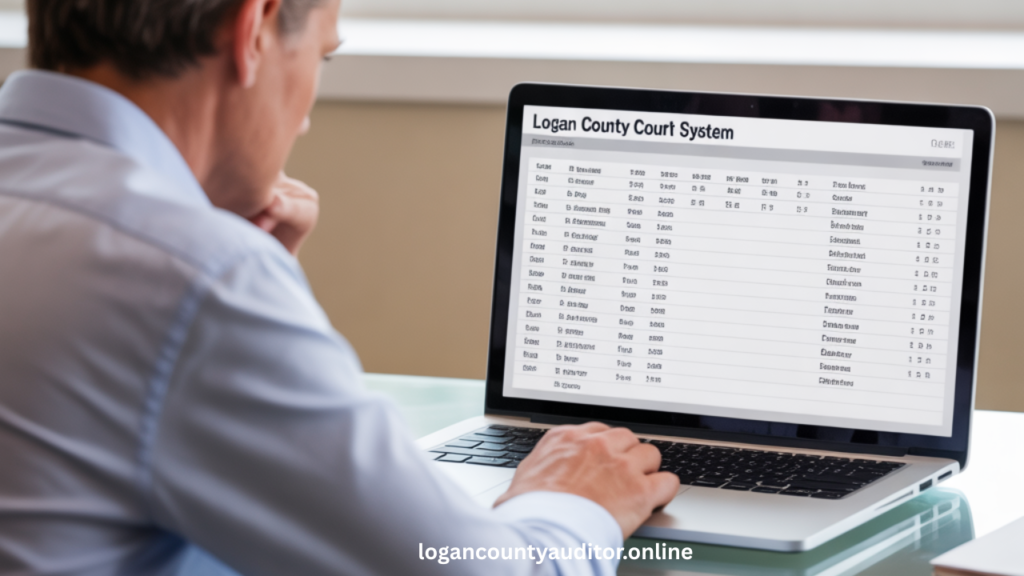
The Logan County court Records system organizes case information using unique case numbers. Each filing or action is logged chronologically, creating a clear and traceable record.
Information Typically Included
- Case number
- Case type and court division
- Names of involved parties
- Filing dates and documents
- Scheduled hearings and outcomes
This structured format allows users to review case history without confusion or unnecessary complexity.
Searching Court Records Online
Modern court systems prioritize accessibility. Online court docket search tools allow users to locate records without visiting a courthouse in person.
Common Search Methods
- Case number search
- Party name search
- Date range search
- Court division selection
Using accurate details improves search results and reduces the risk of viewing incorrect records.
Who Uses Court Records
Court docket systems support a wide range of users, each with different needs.
Residents and Defendants
Individuals involved in a case use court dockets to check hearing dates, filings, and decisions.
Attorneys and Legal Professionals
Lawyers rely on docket records for case preparation, deadlines, and procedural updates.
Researchers and Journalists
Public court data supports legal research, historical analysis, and responsible reporting.
Property and Business Professionals
Court docket information may be reviewed to verify liens, judgments, or ongoing legal matters related to property or business entities.
Court Records Transparency and Public Trust
Transparency strengthens trust in the judicial process. When court activity is visible and well-documented, it reassures the public that cases are handled fairly and according to the law.
Logan County’s commitment to organized court docket records helps ensure equal access to justice-related information while respecting legal boundaries and privacy requirements.
Limitations and Privacy Considerations
Although court Records are public records, not all information may be fully accessible. Certain case details may be restricted due to privacy laws, sealed records, or sensitive legal matters.
Users should understand that:
- Juvenile cases are often restricted
- Sealed cases will not appear in searches
- Personal identifiers may be limited
These protections balance transparency with individual privacy rights.
Using Court Dockets Responsibly
Court docket information should be used for lawful and ethical purposes. Records are intended to inform, not to harass or misrepresent individuals involved in legal matters.
Best Practices
- Verify case numbers before sharing information
- Use official sources for accuracy
- Avoid assumptions based on incomplete records
Responsible use ensures court Records continue to serve the public effectively.
Benefits of Online Court Docket Access
Online access reduces administrative workload and improves user experience. Instead of visiting court offices, users can find information quickly from a secure platform
Advantages Include
- Time-saving access
- Reduced paperwork
- Improved record accuracy
- Better public engagement
These improvements reflect the growing role of digital tools in public record management.
Court Dockets and Legal Decision-Making
Court records play a role in informed decision-making. Understanding case status and history helps individuals and professionals take appropriate legal steps.
For example:
- A defendant can prepare for an upcoming hearing
- An attorney can track deadlines
- A researcher can analyze case trends
Reliable access supports better outcomes across the legal system.
Future Improvements in Court Records Systems
As technology evolves, court docket platforms are expected to become more user-friendly and efficient. Enhanced search filters, faster updates, and improved accessibility features will continue to benefit the public.
Logan County’s digital efforts reflect a broader movement toward modern, transparent, and accessible government services.
Frequently Asked Questions (FAQs)
1. What is a court docket?
A court docket is an official record that tracks all filings and actions in a court case.
2. Are Logan County court Records public?
Most court docket records are public, though some cases may be restricted by law.
3. Can I search court Records online?
Yes, online search tools allow users to find court Records information using case details.
4. What information does a court Record show?
It typically includes case numbers, party names, filings, hearings, and outcomes.
5. Are criminal cases listed in court Records?
Yes, criminal cases are documented in court Records systems.
6. How often are court Records updated?
Court dockets are updated as new filings and actions occur.
7. Can I use court records for legal research?
Yes, court dockets are commonly used for legal and academic research.
8. Are all case details visible?
Some information may be limited due to privacy or legal restrictions.
9. Do I need an account to access court Records?
Many public docket systems allow access without registration.
10. Who maintains court records in Logan County?
Court records are maintained by the Clerk of Court and judicial offices.