
Introduction
Many Logan County homeowners were surprised — even frustrated — when they opened their 2026 property tax bill and noticed the amount had gone up. For some, the increase felt sudden and unexplained. For others, it created real stress about monthly budgets and long‑term affordability. If you’re asking yourself “Why did my Logan County property tax increase in 2026?” you’re not alone.
Property taxes are influenced by multiple moving parts, and most of them happen quietly in the background. When those parts shift at the same time — reassessments, school funding changes, inflation, or local levies — the final bill can rise even if nothing about your home changed. This guide breaks down the real reasons most homeowners miss, using plain language and clear explanations so you can understand what happened and what steps may be available.

Logan County Property Tax Increase 2026: The Big Picture
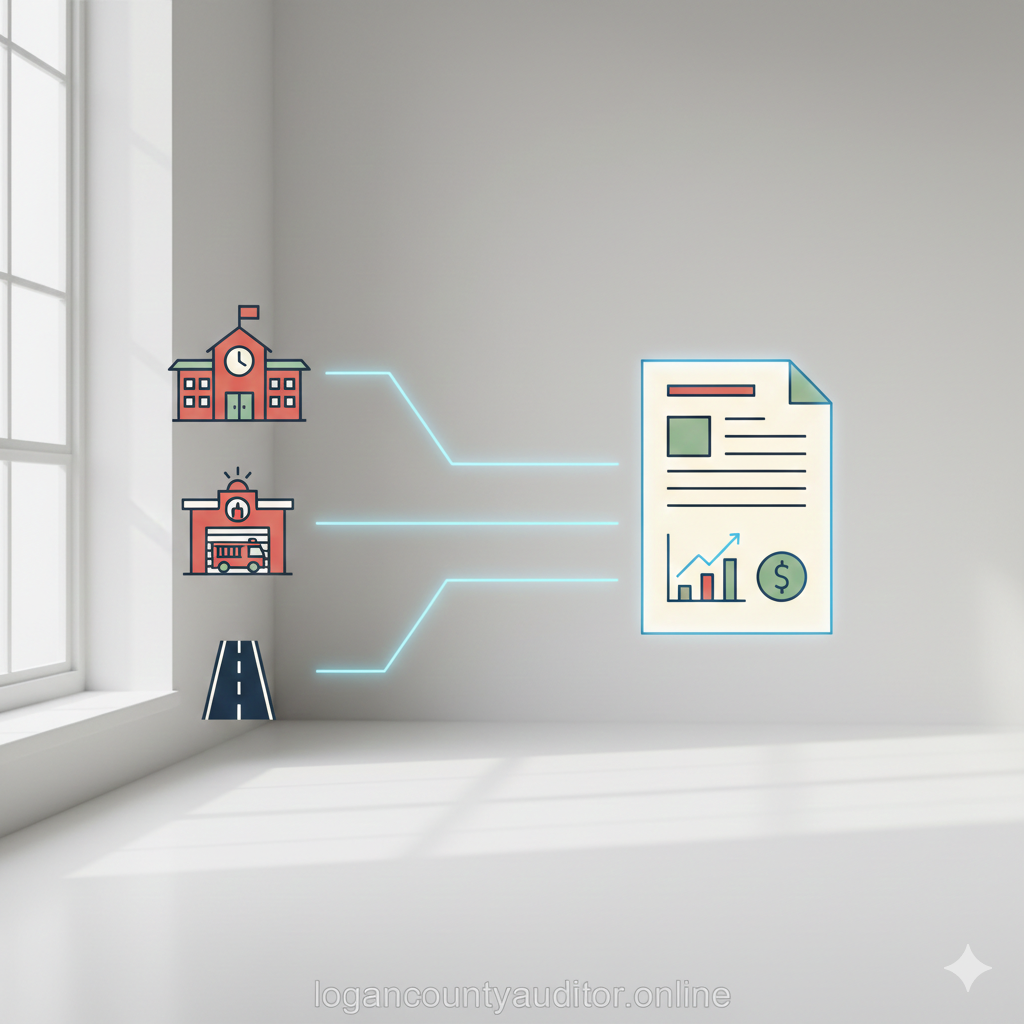
The Logan County property tax increase 2026 is not caused by a single decision or office. Instead, it is the result of several interconnected factors working together. Property taxes fund essential local services such as schools, emergency response, road maintenance, and public infrastructure.
When costs rise or property values are adjusted, tax calculations respond automatically. Understanding the overall structure helps homeowners see that increases are often systemic rather than personal or targeted.
Property Value Reassessments and the 2026 Tax Increase
One of the most common drivers behind a Logan County property tax increase in 2026 is property value reassessment. Counties periodically review property values to reflect current market conditions.
Even if you did not renovate or sell your home, nearby sales, neighborhood demand, and broader housing trends can raise assessed values. When the assessed value goes up, the taxable value often follows, leading to a higher tax bill.
Key points homeowners often miss:
- Reassessments reflect market data, not personal improvements
- Rising home prices can increase taxes even without selling
- Assessment changes may lag behind market trends
School District Levies and Logan County Property Tax Increase 2026
School funding plays a major role in the Logan County property tax increase 2026. Local school districts rely heavily on property taxes to cover operational costs, staffing, transportation, and facilities.
When voters approve new levies or renew existing ones at higher rates, the impact shows up directly on property tax bills. These changes often happen through ballot measures, which many homeowners overlook until the bill arrives.
Important considerations:
- School levies can change independently of county decisions
- Even small levy increases can affect annual totals
- Renewals may still cost more due to updated valuations
Inflation and Rising Local Costs
Inflation affects more than groceries and fuel — it also influences the Logan County property tax increase in 2026. As the cost of providing public services rises, local budgets must adjust to keep services running.
Emergency services, road repairs, utilities, and public facilities all face higher operating expenses. While tax rates may not dramatically increase, inflation can push overall tax collections higher to maintain service levels.
New or Renewed Local Levies in 2026
Another overlooked factor behind the Logan County property tax increase 2026 is the introduction or renewal of local levies. These may support:
- Fire and EMS services
- Township infrastructure
- Public safety improvements
- Community development projects
Levies approved years ago can also reappear with updated valuations, making them feel “new” to homeowners even when they are not.
How Tax Rates and Assessed Values Work Together
Many homeowners assume tax increases come only from higher rates. In reality, the Logan County property tax increase in 2026 often results from the interaction between tax rates and assessed values.
If assessed values rise while rates remain stable, taxes still increase. Likewise, small rate adjustments applied to higher values can have a noticeable effect. Understanding this relationship helps explain why bills rise even without dramatic policy changes.
Checking Your Property Assessment Information
If you experienced a Logan County property tax increase 2026, reviewing your assessment details can be helpful. Public assessment records typically include:
- Assessed property value
- Taxable value
- Levy breakdown by category
Reviewing this information allows homeowners to see which portion of the bill changed and why. This article does not provide official access or services, but encourages residents to consult publicly available county resources.
What Homeowners Can Do After a Tax Increase
A Logan County property tax increase in 2026 does not always mean homeowners are out of options. Depending on the situation, residents may consider:
- Reviewing assessment accuracy
- Understanding exemption eligibility
- Learning about formal appeal processes
Each option has specific requirements and deadlines, which vary by year. Always rely on official county guidance when taking action.
Common Misconceptions About Property Tax Increases
There are many myths surrounding the Logan County property tax increase 2026, including:
- “The county raised taxes without notice”
- “Only renovated homes pay more”
- “Property taxes increase randomly”
In reality, most increases follow structured formulas, legal processes, and public decisions that occur over time.
Why Understanding Your 2026 Property Tax Matters
Property taxes affect long‑term affordability, resale value, and household planning. Understanding the Logan County property tax increase in 2026 helps homeowners make informed decisions rather than reacting out of frustration or confusion.
Knowledge empowers residents to ask better questions, plan ahead, and engage more confidently with public information.
Frequently Asked Questions (FAQs)
1. Why did my Logan County property tax increase in 2026?
Most increases result from reassessed property values, school levies, inflation, or renewed local levies.
2. Did Logan County raise tax rates in 2026?
In many cases, rates remain stable while assessed values change, increasing total taxes.
3. Can my taxes go up even if I didn’t renovate?
Yes. Market trends and neighborhood sales affect assessments.
4. Are school taxes part of my property tax bill?
Yes. School district levies are a significant portion of property taxes.
5. How often are properties reassessed?
Reassessment cycles vary and follow state guidelines.
6. Can I check my assessment online?
Public records are typically available through official county platforms.
7. What should I review on my tax bill?
Look at assessed value changes and levy breakdowns.
8. Is inflation really a factor in property taxes?
Yes. Rising service costs influence tax collection needs.
9. Are levy renewals the same as new taxes?
They may still increase costs due to updated valuations.
10. Where can I get official help?
Always contact official Logan County offices for authoritative guidance.
This content is provided for general informational purposes only and should not be considered legal, tax, or official advice.